
Navigating sustainability in horticulture
Ask the Expert
Understanding sustainable practices, recycling and innovation
(Sponsored) In today’s world, sustainability is more important than ever, especially in industries relying heavily on plastic products. Grace Hungerford, sustainability analyst at HCxCHG, shares her expertise on the recyclability of horticultural products, the rise of post-consumer recycled materials and the growing availability of sustainable alternatives. From fiber-based pots to compliance with evolving regulations, Hungerford. provides valuable insights into how businesses and consumers can make more eco-friendly choices in the horticulture industry.
Who is Grace? What does she do? Can you share a little about your background?
My name is Grace Hungerford, the Sustainability analyst at HCxCHG. I grew up on Long Island, New York and always had a love for nature and gardening. I recently graduated from the University of Dayton with a degree in Sustainability. As an analyst, I work on HC’s sustainability reporting and compliance, education internally and growing HC’s sustainability initiatives.
Are my used plastic horticulture products recyclable?
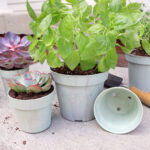
It depends a great deal on where you are located. My first suggestion would be to wash your pots for reuse as many times as possible. Ensuring all plastic pots are completely dry before reuse is crucial. If you need to dispose of your plastic horticultural products, you want to check your local recycling guidelines and the materials of your pot. Some garden centers collect used horticultural products to be a part of their sustainability programs and try to utilize those by dropping your used pots there.
 Are there alternatives to plastics available in the market?
Yes! There are two major alternatives to plastics on the horticultural products market, fiber and bioplastics. Fiber comes from several different slurries of fibers and bioplastics are resin-based and produced from renewable sources.
HCxCHG sells two types of biobased pots; both are made from wood derived materials. These growing containers allow moisture to move for optimal drainage and healthy root systems. HC’s BioPax is designed for reuse, certified by the USDA Biopreferred program and, a responsible disposal when the time comes!
Post consumer recycled products, what the heck is that? What is PCR and why is it the new buzzword?
Post consumer recycled or PCR is commonly used in materials and has legislation surrounding usage in some states. PCR is derived from household products that are their end-of-life or can not be used for their intended purpose. Post industrial recycled or PIR is pre-consumer, diverted waste from manufacturing stream. For example, PCR is a recycled plastic water bottle, and PIR is a plastic pot unable for purchase due to a manufacturing error. Both these materials allow for diversion of waste from the landfill and a decrease in the demand for virgin plastic materials.
Importance of compliance?
In the past few years, we have had an upward trend in states’ legislation surrounding plastic and packaging. The first relevant is extended producer responsibility (EPR) regarding all plastic and packaging being imported in several states. The second is requiring certified PCR content to be in certain items, mainly single-use plastic. Getting certified or buying certified PCR is important for transparency in the material itself and confidence in brand reputation. Ensuring your material that contains PCR with certification allows for no gaps in the chain of custody and credibility for all consumers.
Overall, staying on top of current and future legislation (local, state, nationally and internationally) will aid your business’ sustainability with confidence and be compliant.

To learn more about HCxCHG visit, www.hc-companies.com
© HCxCHG 2025










 Videos