A natural grow
As customers are seeking to grow naturally, support pollinators and nurture soil health, plant care companies are responding. Here, three soil and fertilizer companies share their takes on why customers are leaning green, and what garden centers can do to cash in on this growing market/movement.
A Solid Beginning
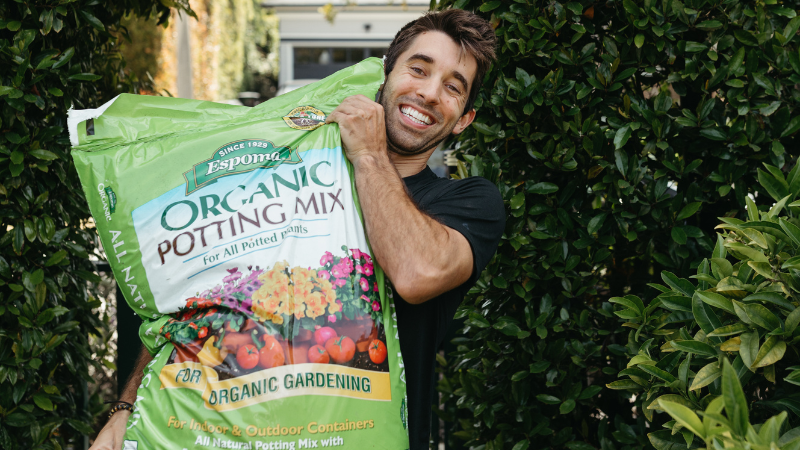
The Espoma Co. has been serving up organic products since 1929, said Jaime Brunner, brand manager. Its founder, H.G. Sanders, set out to create a natural, reliable plant food gardeners could trust. His first product — an all-purpose organic fertilizer — was blended by hand in a wooden building in Millville, New Jersey.
Now, the company is an organic gardening brand used and recommended by millions, she said.
“Sustainability isn’t new to us; it has been our way of doing business long before organic gardening became a movement. Thanks to the knowledge and values passed down from Mr. Sanders to his great-grandchildren, who now lead the company, we remain committed to transforming natural ingredients into high-quality organic products that help gardeners build healthier soil and grow stronger, more resilient plants.”
Another organic supplier, Coast of Maine, celebrates 30 years in business this year. Its name, said Bob Lawson, senior vice president of sales and marketing, ties to the products’ unique compost blend ingredients — ingredients from the land and ocean, and each Coast of Maine soil is named after a Maine coastal community.
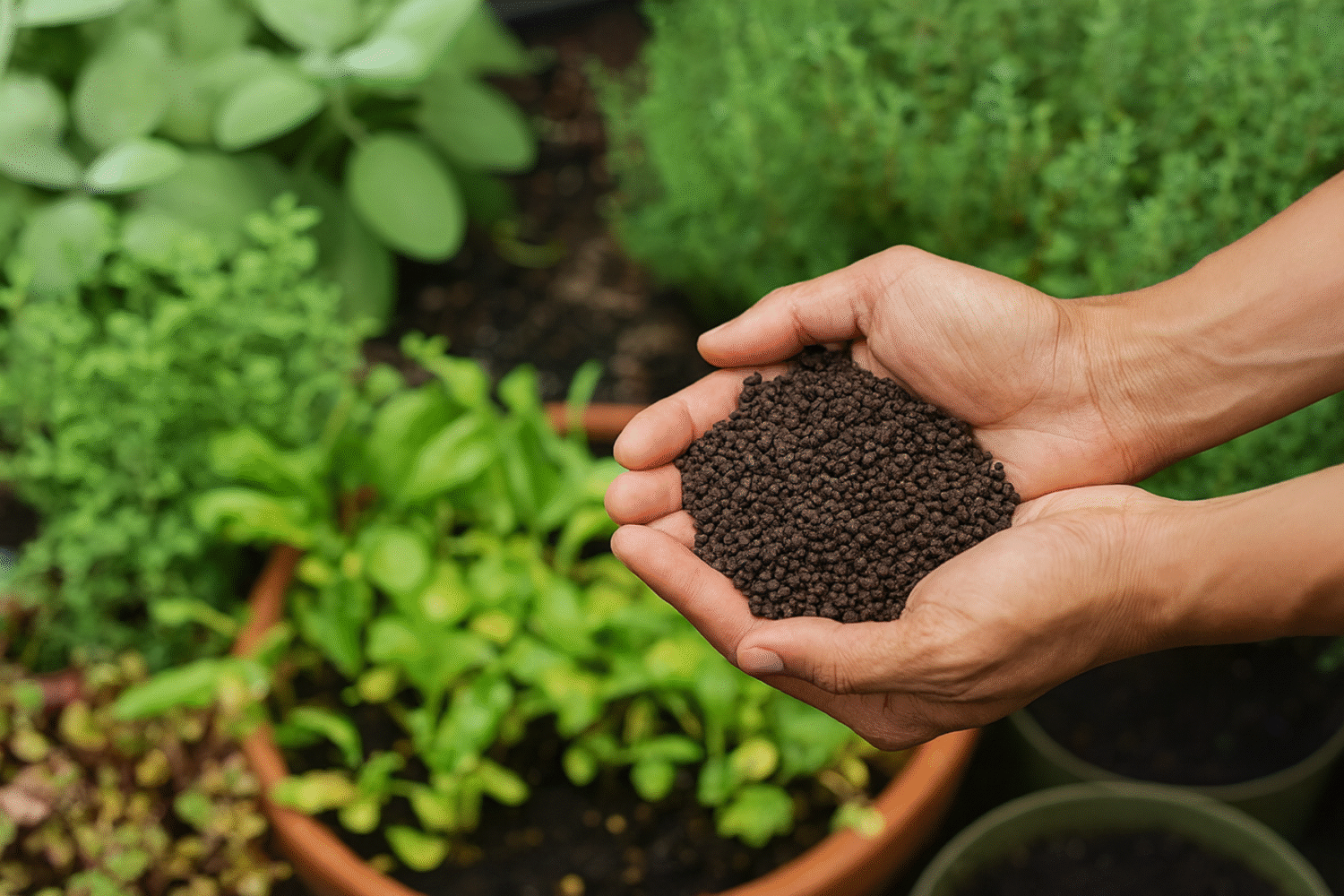
Newer to the market is Oberland Agriscience, a Canadian company founded in 2017 in Halifax, Nova Scotia. Its 2nd Nature brand began as a mission to make better use of food waste has grown into a movement to help people garden more sustainably, said Greg Wanger, Ph.D., founder and chief technology officer. Through the power of black soldier flies (BSF), food waste becomes natural, regenerative fertilizer that helps plants thrive, giving gardeners a simple way to grow healthier gardens while caring for the planet.
He said the name 2nd Nature has a double meaning: It speaks to giving pre-consumer food waste a second life, transforming it into something valuable again through natural fertilizer.
“But it also reflects how we want regenerative gardening to feel for our customers,” he said, “simple, intuitive and second nature. It’s about making eco-friendly choices easy and rewarding for every gardener.”
Considering Customers’ Needs
While interest in organic gardening has been growing for decades, Brunner said the post-COVID years brought “an unprecedented surge. With more people spending time at home, many discovered — and rediscovered — the joy of gardening. Whether experimenting with raised beds, container plantings, edible gardens or full landscape projects, new gardeners wanted to succeed, and they sought brands they could trust to align with their values while still delivering results.”
He said these customers sought to grow plants naturally, support pollinators and reduce chemical usage.
“Espoma was ready for that moment, and our products helped them do exactly that,” he said. “Customers consistently tell us they appreciate that our products are safe for people, pets and the planet, and that they deliver dependable, noticeable results without compromising the environment.”
Coast of Maine’s Lawson agreed. “Great plant growth tends to be the deciding factor. … Once gardeners use Coast of Maine organic soils, they tend to come back to their independent garden center for more, season after season.”
Oberland Agriscience’s Greg Wanger said the new generation of gardeners — whether they consider themselves growers, plant parents or home gardeners — is transforming the plant care market with their strong focus on sustainability and meaningful choices.
“Today’s younger plant enthusiasts want more than just beautiful results; they want to understand what’s inside the products they use and how those products impact them and the planet.”
He said transparency is key for this demographic — to them, gardening is an act of environmental stewardship, not a hobby — so they seek natural, family- and pet-friendly ingredients.
“This exciting shift inspired brands like 2nd Nature to make regenerative gardening easy, effective and accessible for everyone, helping a new generation nurture plants while caring for the planet.”
Fertile Grounds for Growth
Education and community engagement are both key to reaching new customers and retaining current ones — even before they walk in the door.
The Espoma Co,’s Brunner said that, while many younger consumers may have some familiarity with gardening brands, familiarity alone isn’t enough.
“We must reach them, engage them and earn their trust,” she said.
New generations expect more from brands: education, transparency and credible social proof through online reviews and video content from trusted, real-world sources.
To that end, Espoma has significantly expanded its digital presence, with nearly all its advertising on social media and digital platforms “because that’s where consumers are — and where they look for guidance.”
She said they’ve prioritized creating educational content that resonates with both first-time and experienced home gardeners, with brand partners — Garden Answer, Wyse Guide, Farmer Nick and others — playing an essential role.“Their platforms reach and inspire millions with approachable projects and honest plant-care advice,” she said. “What makes these partnerships truly special is that they developed organically; each partner used and recommended our products long before we ever worked together formally. That authenticity has strengthened Espoma’s connection with gardeners nationwide.”
Wanger said educating customers when they come into the garden center is important in helping them understand why natural products matter.
“Shoppers want to know how natural fertilizers work, what makes them different from synthetics and how they benefit the environment,” he said. “Simple in-store signage, staff training and real-life visuals such as ‘before and after’ plant displays or soil demos can go a long way.”
He also suggested community engagement, such as hosting workshops or social media collaborations that highlight sustainable gardening tips to build trust and loyalty.
“The goal is to make natural plant care feel easy and rewarding, like something gardeners want to choose, not something they have to figure out. That’s the spirit behind 2nd Nature — making regenerative gardening second nature for everyone.”
Looking Ahead
As for the future, organic soil and fertilizer suppliers will continue to supply home gardeners with natural and sustainable products.
Lawson said Coast of Maine is launching a new granular fertilizer in the 2026 season to complement its organic compost blend soils. The formulations are made with ingredients from the land and ocean — “you can actually see the lobster and crab shells in the mix,” he said.
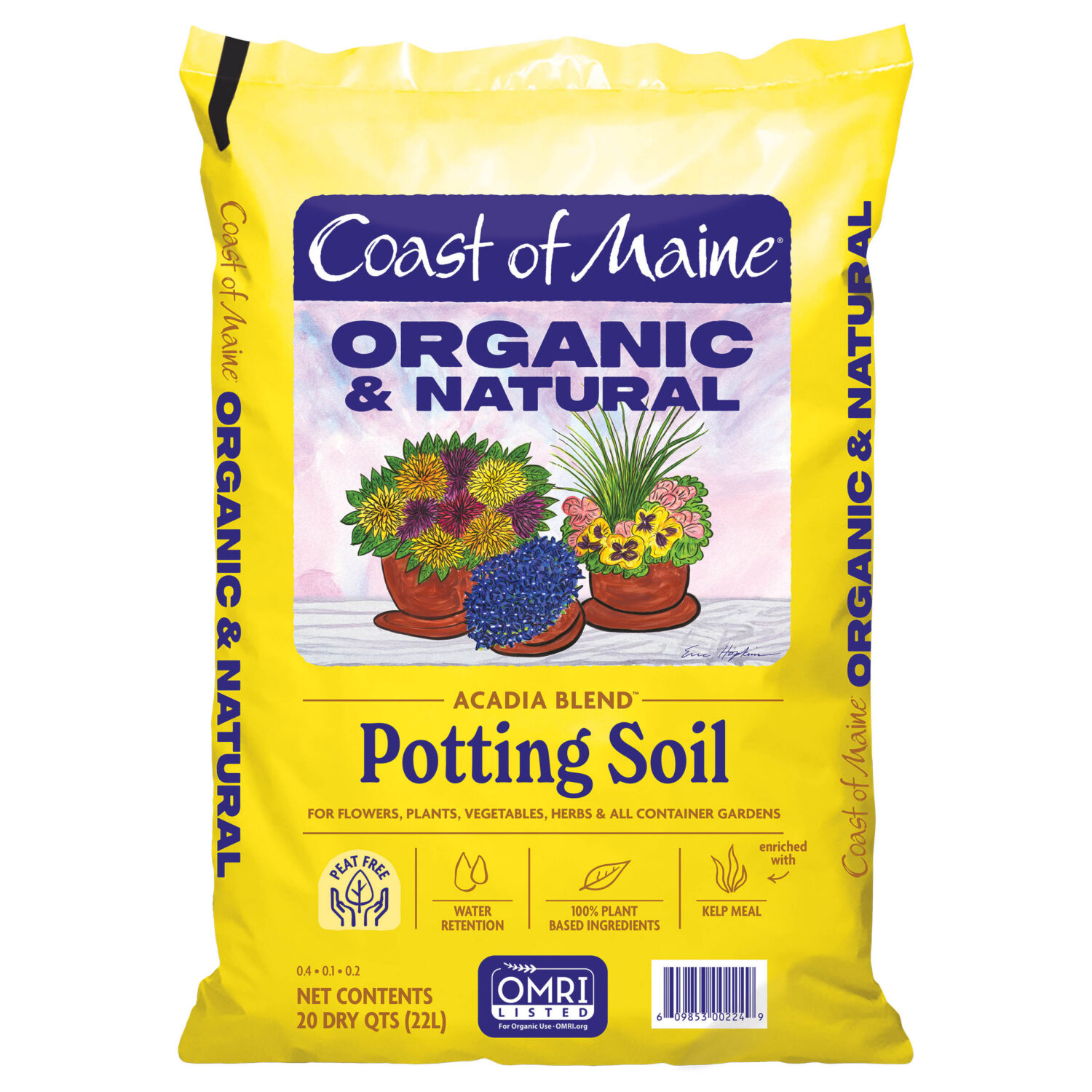
In addition, the company will be introducing a new peat-free potting soil, Acadia Blend.
“The younger gardening — Millennials and Gen Z — are also looking for organic soil products produced in a more sustainable way. Acadia Blend Potting Soil meets this specific need.”
Brunner said Espoma plans to expand its product offerings “in thoughtful ways that complement our existing lines and empower independent garden centers with the best tools to support their customers.”
She said the company’s goal is ensuring all gardeners — both beginners and seasoned horticulturists — have everything they need to grow naturally, confidently and successfully.










 Videos