
The experience is the product
Case Study: From Dirt Table to DIY Destination
One garden center we work with had a table near the front of the store that was originally used to display soil bags. It often became a dumping ground, with dirt, misplaced tools and no real message. Customers walked past it without even noticing.
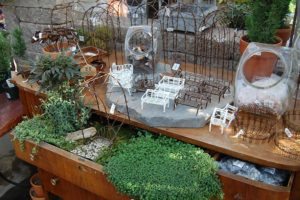
Together, we transformed that same space into a DIY Creation Station. Now, it features seasonal themes like:
- Build Your Own Succulent Bowl
- Create Your Own Bouquet
- Plant Your Own Patio Vegetable Garden
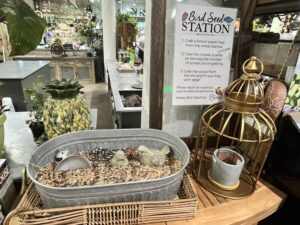
The display includes clear signage, curated products and a scannable QR code with step-by-step instructions. Everything needed to complete the project — containers, soil, tools, plants and even ribbons or markers — is ready to go.
The result? Not only did engagement go up, but team members also reported more conversations, more upsells and more photos shared by customers tagging the center on social media.
This is what happens when layout becomes part of your marketing strategy.
Garden Center Show speaker Jeff O’Brien shares how your store layout isn’t just about where your products go; it’s about how your customers feel.
In a time when big-box stores dominate on price and convenience, the in-store experience has become the most powerful competitive edge for independent garden centers. But most layouts are still built for logistics, not inspiration.
That’s a missed opportunity.
Today’s customers, especially millennials and Gen Z, are looking for something more. According to the 2025 Axiom Gardening Insights Survey, 73% of next-gen consumers say they are looking for a meaningful experience when shopping for plants. And 62% say they are more likely to return to a store that makes the journey feel easy and inspiring.
This isn’t about adding decorations — it’s about building a layout strategy rooted in the customer’s lifestyle and emotional needs.
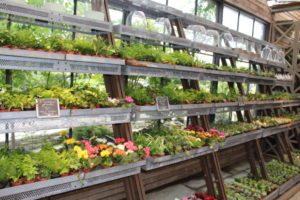
Create Experience Zones, Not Product Sections
The first shift is mental. Instead of organizing by plant type, start designing by lifestyle intent: Why is the customer here today? What problem are they trying to solve? What kind of success are they hoping to achieve?
This is where experience zones come in, which are immersive areas of your store designed to guide and inspire:
- Pet-Friendly Houseplants. Signage, QR codes and displays that reassure plant lovers with pets. Feature nontoxic varieties, clear care tips and simple messaging like “Peace of mind for you and your pet.”
- Patio Living. Show how container plants, patio décor and lighting can transform a space. Offer bundle pricing or starter kits for the weekend DIYer.
- Grow Your Own Food. Display raised beds, veggie starts, soil and tools together. Include signage like “Start your salad garden” or “Easy edibles for beginners.”
- Low-Maintenance Plants. Group resilient varieties together and label them “Hard to kill, easy to love.” This area is perfect for apartment dwellers or busy professionals.
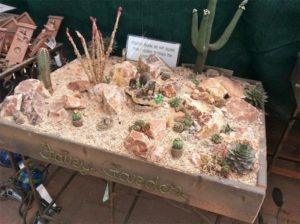
- Drought-Tolerant Solutions. In water-conscious regions, this zone becomes a destination. Highlight native plants and mulch options, and educate with signage about long-term savings.
Each zone should be more than a display — it should feel like a mini experience with a clear purpose, relevant product bundles and guidance to help customers feel confident.

Layout Is a Sales Tool, Not a Backdrop
In too many retail environments, the layout is seen as static. In reality, it’s one of your most flexible and powerful marketing levers.
The best layouts answer three questions for every customer:
- Where do I start?
- What can I do here?
- Can I see myself succeeding?
In our work as fractional chief marketing officers for independent garden centers, we help owners audit their space and identify friction points. Whether it’s reorganizing a confusing back corner, repositioning bestsellers to where customers naturally pause or improving flow with clearer signage, these small adjustments often lead to big wins.
Prioritize the Staff Experience, Too
Customers aren’t the only ones navigating your space — your team does, too, all day, every day.
A smart layout reduces burnout and increases team confidence. It allows staff to move efficiently, answer questions with ease and focus more on customer interaction than on cleaning up confusion.
We recommend asking questions like:
- Are your most popular zones easy to restock and support?
- Can your team move quickly between service areas and hotspots?
- Do staff have signage or support materials to reinforce customer education?
A Harvard Business Review study found that employee satisfaction improves by 33% when the physical environment supports team performance. When your people feel empowered, your customers feel cared for.
Align Online and In-Store
The Axiom 2025 study also found that 81% of shoppers research online before visiting a store. That means your digital presence should reflect your in-store experience, not compete with it.
If your website features a section called “Low-Maintenance Plants,” the same category should be clearly visible in-store. If your social media features a guide on “Pet-Safe Houseplants,” there should be a corresponding display and QR code in the garden center.
This synergy builds trust and makes it easier for customers to take action. You’re not just marketing a product; you’re guiding a journey.

Five Layout Moves That Make a Difference
If you’re looking to take action, start here:
- Welcome Space First. Let customers enter and orient. Avoid cluttering the entrance with carts or sale signs.
- Experience Zones with Clear Themes. Think in terms of customer goals, not just plant types.
- QR Codes with Value. Link to blog posts, care guides or DIY instructions to deepen engagement.
- Sightlines That Guide. Allow customers to visually understand where to go next from wherever they are.
- Rest Zones That Invite Pause. A shaded bench or a seating nook encourages dwell time, which often increases basket size.
- Layout Is Strategy, Not Decoration. A great layout is not just about aesthetics; it’s a business strategy. It increases customer engagement, staff efficiency, brand consistency and revenue. But more importantly, it creates belonging.
When customers feel seen and supported, when they can walk into your space and say, “This store gets me,” that’s what sets you apart.
You don’t need a bigger space; you need a better story. And your layout is where that story starts.
The Experience Is the Product
In the end, what people remember most is not just what they bought — it’s how you made them feel. A thoughtful layout gives your customer the confidence to try something new. It gives your team the support to serve at their best. And it gives your business the momentum to stand out in a competitive market.
That’s the power of layout done right.
Photos courtesy of Jeff O’Brien.





 Videos