Green gifts that make a positive impact
For years, discussions have swirled around sustainability and how to implement small changes that have a big impact on the planet. Many consumers strive toward goals of recycling more and producing less waste. Eco-minded companies are also doing their fair share to make a difference.
“Demand for brands that prioritize transparency and sustainability is increasing. Consumers want to know what they’re purchasing, how it’s produced and how they can dispose of products after use,” said Michael Stausholm, CEO and founder of SproutWorld, a plantable pencil and makeup liner company.
Businesses are realizing it’s no longer enough to make unsubstantiated claims, so certifications have become the norm. Companies are being asked to demonstrate their impact on the climate, and to do so with third-party verified climate accounting.
SproutWorld, which has an office in Boston, is B Corp-certified. This means it meets high standards of verified performance, accountability and transparency on factors from employee benefits and charitable giving to supply chain practices and input materials.
Pencil Power
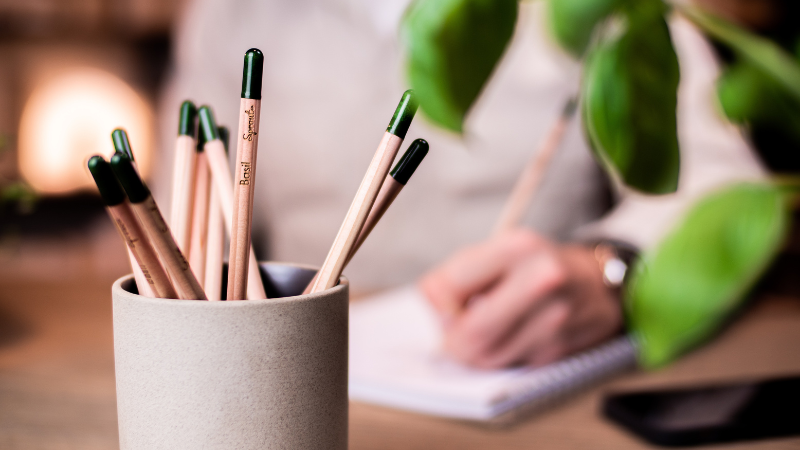
SproutWorld’s journey began in Cambridge, Massachusetts, in 2013. A group of students at the Massachusetts Institute of Technology created the idea for a plantable pencil with a seed capsule that could be placed in the soil after use. After Stausholm discovered the pencil on Kickstarter’s crowdfunding platform, he purchased the patent and global rights.

Demand is on an upswing. The pencils are crafted from sustainable harvested wood, natural graphite and clay. After being planted (capsule side down), the seeds will sprout into trees, herbs, vegetables, flowers or fruits.
Plastic-Free Gifts
Corkcicle was founded in 2011 on a mission to eliminate plastic waste. Nearly 15 years later, it not only continues to fulfill and pursue that mission, but also has solidified itself as a trend and industry leader in gift.
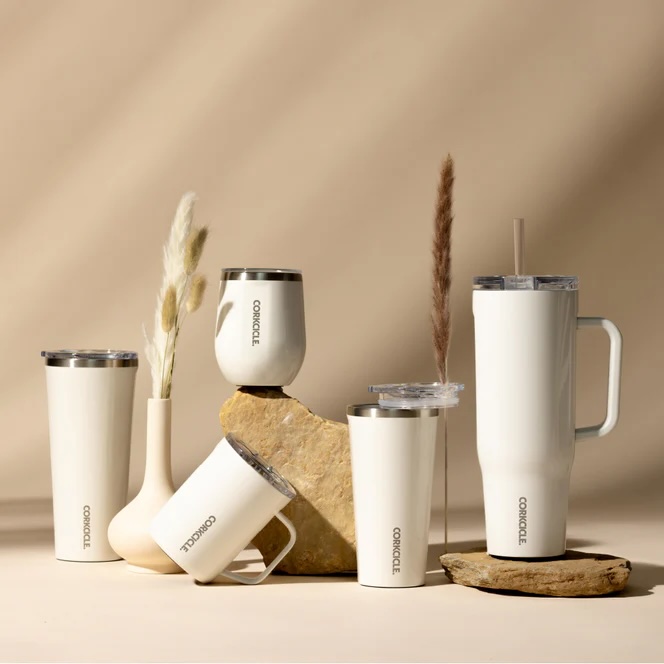
The company began with its flagship product, the Corkcicle Air in-bottle wine chiller, designed to chill wine without the need for an ice bucket. As the company evolved, it has expanded into drinkware — including reusable, insulated canteens, tumblers, wine cups and mugs — which now makes up about 80% of its business.
About five years ago, Corkcicle dedicated itself to taking its cause a step further by eliminating all single-use plastic in its packaging.
“We’re a sustainability company. We pride ourselves on eliminating plastic waste and paper. But our packaging — we shipped it in a plastic sleeve and bubble wrap,” said Andrea Sage, director of gift at Corkcicle. “So our teams went as far as exploring every last detail. Now, the glue that’s on the sticker of our cup, the sticker itself, the plastic sleeve it comes in? All of that is now biodegradable.”
Top sellers include the 40-Ounce Cruiser and the traditional Sport Canteen. Meanwhile, the Go Cup XL is a hot new item for Corkcicle. It’s cup-holder friendly, can hold up to 30 ounces, and it’s leak-proof — all with a wide carry handle.
Corkcicle’s success comes also from its embrace of trendy patterns, colorways and designs. Its target customers are female, so while the company offers a product and style for every demographic, many designs align with what’s trending in women’s fashion — from leopard prints to florals and ombré patterns — making for very giftable items.
Paper, Please
Libby Hampel, founder and designer of MASU — a paper goods company in Columbia, Missouri — reiterates the power of sustainable items. Before launching MASU, she considered the impact her actions would have on other people and the planet.
Curious and resourceful, Hampel knew she could create goods that were eco-friendly and ethically made. “I’m always aiming for that sweet spot of looks, feels and does good,” she said.
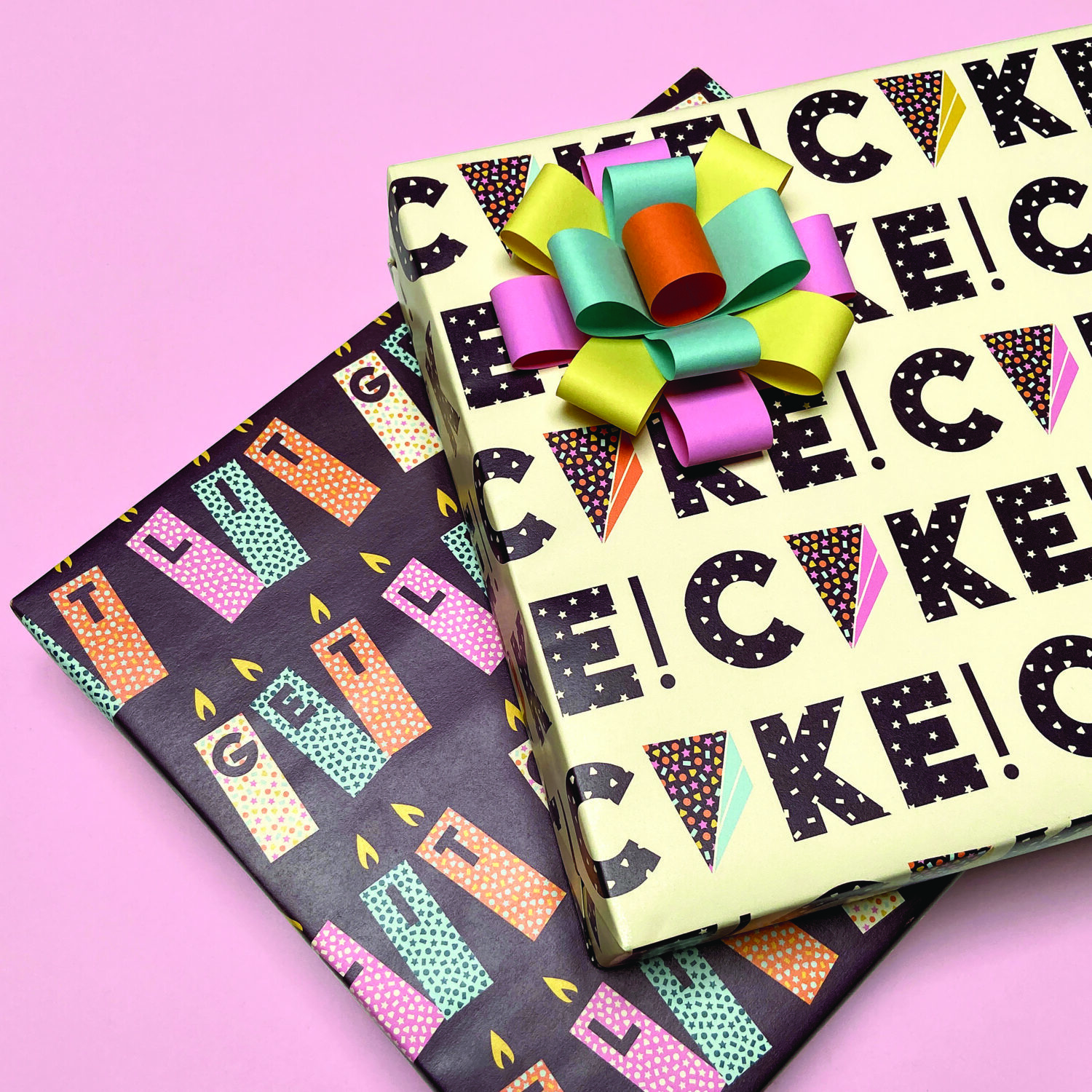
For this artistic entrepreneur, necessity sparked her invention. Hampel struggled to find stylish wrapping paper that was fully made of recycled goods, recyclable and made in America — so she launched her own collection in fall 2021. In February 2023, she added greeting cards adorned with the same playful, bold designs that embellished the giftwrap.
The paper used for wrapping is premium-coated, 100% recycled and made in America. It features a velvety smooth finish on both sides.
MASU’s paper goods are printed on an HP Indigo Press, which produces superior color quality, is ideal for small runs and enables the printing of a variety of designs without additional setup costs for each, Hampel said.
All paper, including the white envelopes, are 100% PCW (post-consumer waste) recycled and are recyclable. The collection also includes recycled denim envelopes, which are made in the U.S. from cotton and denim textile scraps.
Future-Focused
Like Hampel, SproutWorld’s Stausholm had a longtime interest in sustainability. It was always important his company give more than it takes from the earth. SproutWorld is involved with a variety of sustainability projects. Last year, it planted 12,000 trees in Poland.
“We also have our net-zero target approved by the Science Based Targets initiative (which drives ambitious climate action in the private sector by enabling organizations to set science-based emissions reduction targets) and are working toward a net-zero business much faster than initially planned. We also hope to inspire other companies to achieve it,” he said.
To date, SproutWorld has sold more than 65 million plantable pencils to 80 countries.
“This means we’re giving a lot of plants back to the planet,” he said.
Although plastic sleeves have long been the norm for packaging greeting cards, MASU’s Hampel cited a trend that more stationery brands are using plastic-free alternatives. Some are using a recyclable paper sticker to keep the card and envelope together.
Sustainable alternatives to bubble wrap, packing peanuts and plastic boxes are also gaining traction.
“Along with this,” Hampel said, “it’s great to see more businesses reusing shipping boxes and materials before recycling them.”

 Videos