Retail trends begin with the consumer
The Top 10 Factors Driving (or Not Driving) Consumer Purchasing Today
1. Value sensitivity. Consumers are more price‑aware than ever. Consumer research shows that 74% will switch brands and venues for lower regular prices. Promotions remain powerful: 62% say deals can make them switch. This is a major driver of purchase decisions — and a major inhibitor when prices feel unfair.
2. Quality and reliability. Quality now outweighs price in many categories. 71% will switch if quality or pack size changes without transparency.
3. Fairness and transparency. Transparent pricing, consistent policies and clear communication are now core value drivers. 64% view shrinkflation as unfair.
4. Economic bifurcation (the K-economy concept). Spending power is splitting: high‑income households continue to spend, while lower‑income households face rising essential costs and reduced assistance (e.g., SNAP cuts). This divergence drives premium purchases for some and suppresses discretionary spending for others.
5. Sustainability and purpose. More than one‑third of Americans identify as environmentally conscious. A majority are willing to pay more for brands that “give back.” This is a strong driver for certain segments, especially younger consumers.
6. AI‑driven personalization. AI is reshaping how consumers discover and evaluate products. 25% have already used GenAI shopping tools; 31% plan to. AI boosts convenience but also raises concerns about data use — which can inhibit adoption.
7. Human interaction and service. Despite digital growth, human support is resurging: 74% value in‑person assistance for in‑store service; 66% want it during purchase decisions. This drives purchases in complex categories.
8. Convenience and speed. Consumers will pay more for frictionless experiences. Convenience remains a top driver across categories.
9. Social influence and digital culture. Social networks and influencer micro‑narratives shape decisions. Gen Z and Alpha now command $500 billion in discretionary influence. This can drive impulse or trend‑based purchases — or suppress them when trust is low.
10. Emotional and psychological factors. Consumers are balancing restraint with “intentional indulgence.” Impulse restraint is easing (54% versus 71% last year). 71% use small treats to cope with financial stress.
As business managers, we all anxiously wait for industry gurus to announce the latest trends each year so that we can incorporate — or at least benchmark — them against the activities and actions in our businesses.
But unless these retail trends are based on consumer trends, we’ll experience a major disconnect; consumer behavior and preferences should be driving our actions and become the basis for retail trends.
Simply stated, a trend is the general direction in which something is changing or moving. These trends are based on an analysis of data points, single, measurable units of information representing a specific observation, value or event, forming the foundation of data analysis. Looking at a single data point (or a small sampling of data points) doesn’t tell us much, but with a larger, robust supply of data points (which are analyzed by someone with experience or a programmed technology platform) we can start connecting to dots and identify specific and actionable changes or shifts.
Industry Insights
As an industry, we’re fortunate to have four trend forecasters sharing their insights with us every year. Marvin Miller, Ph.D., of the Ball Horticultural Co. is our industry hortistician, analyzing the USDA reports based on grower-supplied data to recap historical trends of wholesale sales by category to help growers anticipate where to place their production emphasis.
Charlie Hall, Ph.D., a professor at Texas A&M University and the holder of the Ellison Chair in International Floriculture (and a master of “connecting the dots”), uses numerous external data points including housing starts, interest rates, consumer confidence, tariffs and other economic factors to identify consumer spending challenges and opportunities specific to our industry in his annual “State of the Industry” presentations.
The Axiom Annual Garden Outlook Survey is an online survey directed to pre-qualified garden product purchasers. Though the results appear to be quantitative, the methodology is largely qualitative and intent-driven (i.e., it asks respondents how much they spent last year and then how much they intend to spend this year) to identify their consumer behavior trend predictions.
Lastly, the annual Garden Media Group’s Garden Trends Report is based on a deep dive into consumer trends in décor, home fashion and consumer behaviors to identify up-and-coming gardening, landscape design and green living trends.
If you’re not currently using this information in your strategic thinking and planning, I strongly recommend that you take advantage of all these perspectives, all available at no cost online.
Independent garden centers can win big right now by leaning directly into these 10 consumer drivers. Here are some specific, implementable actions, things your team could start doing this week that address the consumer trends.
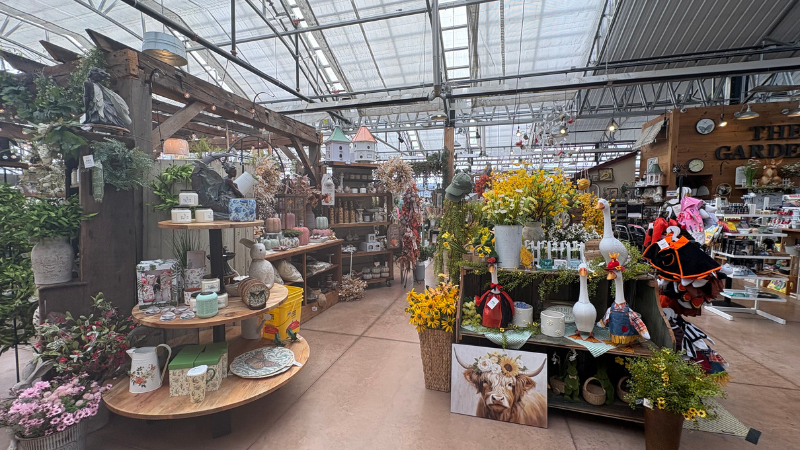
- Create comfort and simplicity. Consumers are stressed and overwhelmed — your store should feel like a sanctuary.
Actions: “Calm Zones” with seating, shade and water features to encourage lingering.
Simplified signage: “Good for Shade,” “Low‑Maintenance” and “Pollinator Favorites.”
Curated bundles: “Starter Herb Garden,” “Easy Front‑Yard Refresh” and “Pet‑Safe Plants.”
Guided pathways that reduce decision fatigue and make the store feel intuitive.
Why it works: People buy more when they feel relaxed and confident.
- Offer hyper‑personalized guidance. Garden shoppers crave expertise — and they reward retailers who give it.
Actions: 5‑minute “Plant Match” consultations at a staffed kiosk.
Personalized care cards printed at checkout (sun, water, soil, zone).
AI‑powered plant finder on your website or an in‑store tablet.
Customer profiles that track past purchases and send seasonal reminders.
Why it works: Personalization builds loyalty and reduces plant failure (a major pain point).
- Compete on value without discounting. Consumers want value, not cheapness.
Actions: Value tiers: “Good,” “Better,” “Best” plant options with clear differences.
Cost‑per‑season signage: “These perennials return for 5-plus years.”
Loyalty program with points for soil, mulch and repeat purchases.
Bundle pricing: “Buy 3 perennials, get 1 free.”
Why it works: You protect margins while meeting value‑sensitive shoppers where they are.
- Build trust through transparency. Trust is the No. 1 driver of purchase decisions.
Actions: Origin tags: “Grown locally in Minnesota.”
Sustainability icons: “Pollinator‑friendly,” “Native species” and “Organic soil.”
Clear care instructions to reduce plant loss and returns.
Why it works: Transparency reduces anxiety and increases conversion.
- Lean into sustainability and purpose. Eco‑consciousness is rising, especially among younger buyers.
Actions: Native plant section with education on local ecosystems.
Pot recycling program with a small reward.
Workshops: “Build a Pollinator Garden,” “Rain‑Friendly Landscaping.”
Highlight drought‑tolerant and climate‑resilient plants.
Why it works: Sustainability is a purchase driver and a differentiator.
- Make convenience a superpower. Garden centers often lose customers because the experience feels hard.
Actions: One‑click pickup for soil, mulch and common plants.
Delivery partnerships for large items (pots, trees, bulk soil).
Mobile checkout carts to reduce lines on weekends.
Preassembled planters for grab‑and‑go convenience.
Why it works: Convenience is one of the strongest purchase accelerators.
- Use social influence and micro-communities. Garden culture thrives on inspiration.
Actions: Weekly “Plant of the Week” TikTok/Reels videos filmed in‑store.
Partner with local micro‑influencers (home décor, DIY, sustainability).
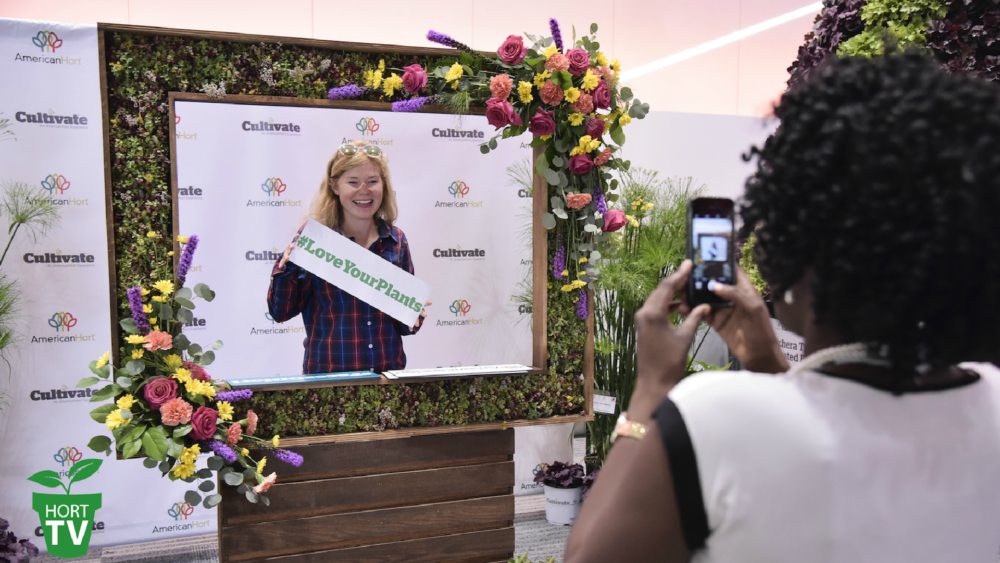
Photo‑friendly displays that encourage sharing.
Why it works: Social proof drives discovery and impulse purchases.
- Create emotional connection and joy. People buy plants because they make them feel good.
Actions: “Treat Yourself” mini‑plant section under $10.
Seasonal sensory displays (fragrance, color, texture).
Pet‑friendly plant zone with cute signage.
Kids’ planting station on weekends.
Why it works: Emotional uplift is a major driver of small indulgences.
- Enhance human expertise and service. Human help is becoming more valuable, not less.
Actions: Staff roaming with tablets to answer questions and check inventory.
Short “Ask a Gardener” sessions every Saturday.
Uniform training so every employee can answer basic care questions.
Service guarantee: “If your plant fails in 30 days, we’ll replace it.”
Why it works: Expertise is your biggest advantage over big‑box stores.
- Use AI and data to anticipate needs. AI is shaping how consumers shop — even for plants.
Actions: Predictive restocking based on weather patterns and past sales.
Automated reminders: “Time to fertilize your hydrangeas.”
AI‑optimized product descriptions for search and chatbots.
Smart email flows based on what customers grow.
Why it works: AI helps you be proactive, not reactive.
Please note that the trend reports I referred to earlier are national in scope. Though some of their predictions may be applicable for you to consider, your specific marketplace is unique. Use these trend reports to guide your planning and use them as thought provokers; they may open your eyes to things you hadn’t considered before that may enhance your operation.
I leave you with two thoughts: 1. Everything you do should start with the consumer and build your business to satisfy their needs and experiences, and 2. Remember that all trends are local.





 Videos