
The strategy behind the strategy
There are three types of change that can occur, affecting your garden center — and in life: change by crisis, change by drift and change by design.
The first, change by crisis, is not what we would ever hope for or expect; however, it is one that companies must deal with and react to from time to time. Naturally, we are reminded of the pandemic, but there are many other types of crises — an all-star employee gives notice, a plant truck doesn’t arrive for Mother’s Day weekend, your P.O.S. goes down, a top client fires you or an unfortunate injury to an employee or customer.
These are bound to happen at some point during the lifecycle of a business enterprise, and garden retailers who are prepared can navigate their way through the crisis with mitigated impact. The key is to have a Plan B, C and maybe even D. But definitely have a plan. It’s called a business continuity plan and is a great exercise in “if this … then that” or “if not you, then who?” for both your people and your processes.
It’s when we don’t have a backup plan that these challenges have a far greater impact on our businesses.
The next type of change is called change by drift. This is where I often meet retailers when I am invited to craft a strategic plan for their new year, new business or new approach to change. During the fact-finding effort, I often hear “We used to do that … ” or “We started that before spring, and then it got busy … .” In essence, they began the process of change and then “drifted” away from it over time because of certain reasons, challenges or excuses (put a pin in that word).
The third type of change — change by design — is change that is purpose-driven, intentional, thoughtful and strategic.
I have worked with some of the top industry associations, brands and garden centers in North America, and the very same process of change management and strategic planning is applied to each opportunity.
Delivering Change by Design
Consider the following tools and strategies to approach your fall season with insight, intention and focus to deliver your change — by design.
Data-Driven Decisions
Gather insights to create and execute your strategy. Make it evidence-based and data-driven, not “how you feel about things.” See the following examples.
Why Customers Shop at IGCs
The Proven Winners 2025 “How Consumers Shop” survey stated that the top three reasons customers look to buy/spend at IGCs are: Plant Quality (80%), Plant Selection (78%) and Knowledgeable Staff (60%).
If you were to consider putting together a data-driven strategy to close strong in 2026, it would be wise to address the key reasons why customers buy from you: Quality, selection and knowledge.
Product knowledge training, vendor sourcing and plant health, along with a great selection for both your brick-and-mortar and your e-commerce drop-shipping option, would be top on the list of initiatives to plan for during the fall of 2026.
Specialize, Don’t Generalize
Focus on a few things done very well instead of a lot of things not done well at all. Both Northwest Nursery Buyers Association (NNBA) and Florida Nursery, Growers and Landscape Association (FNGLA) invited us to participate in their “2026 and Beyond” strategic planning work.
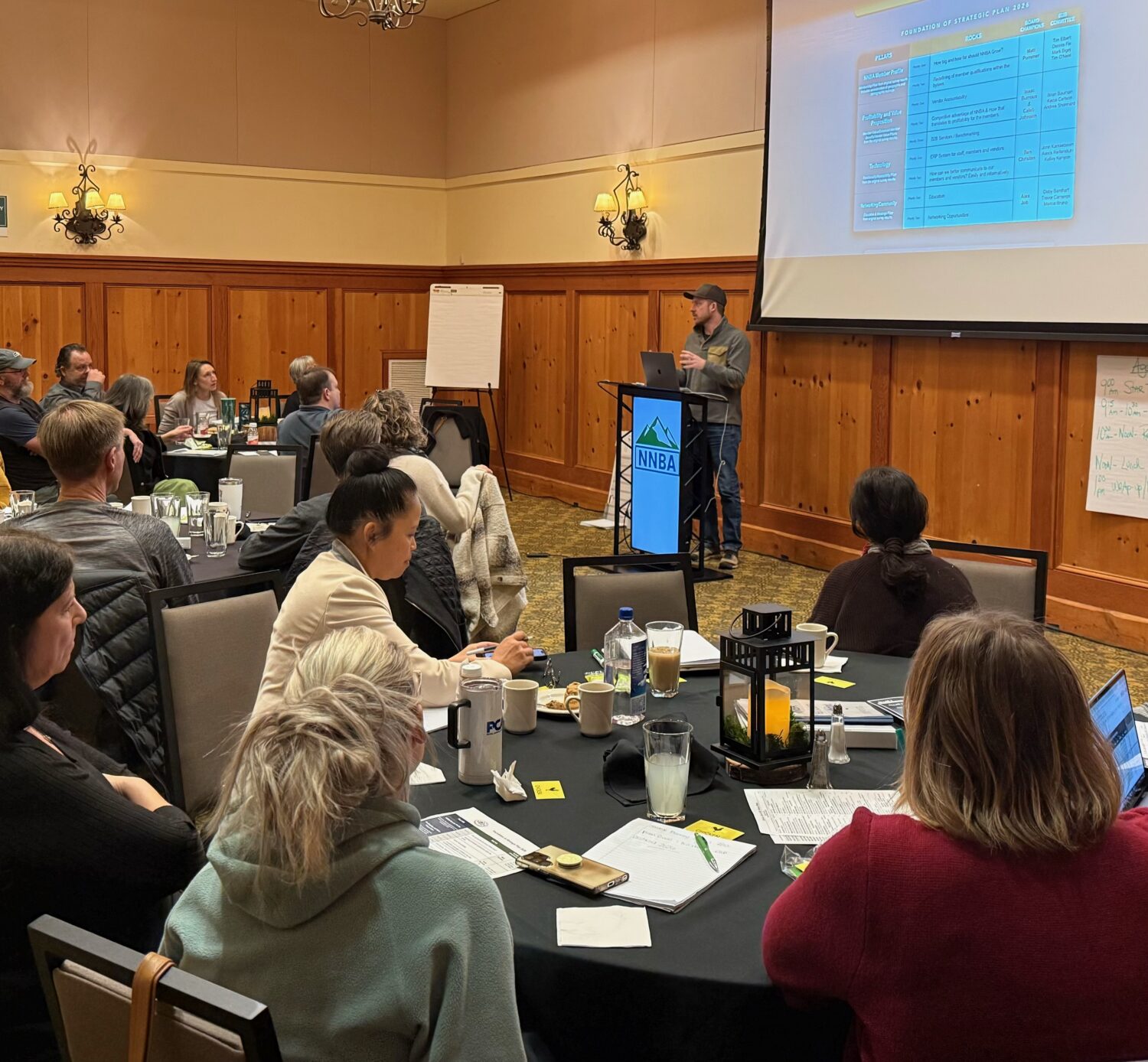
Our first effort for both associations was to create, deploy and report an association membership engagement survey to lend a voice to the journey of “change by design” that we were about to undertake.
The feedback received was invaluable to crafting the course for the next few years, and the members and board of both associations were vital to the direction. From the insightful feedback, we determined the top priorities and pillars, then began to focus on a few things done very well instead of a lot of things not done well at all (mentioned twice means it’s important!).
Note: People are far more inclined to be part of the change they helped create! Engage your team in the feedback you need in order to drive the change your desire.
Build in Accountability
In the book, “Winning with Accountability” author Henry J. Evans suggests to “front-load” accountability. Don’t wait until something isn’t completed to then demand accountability — agree to it in advance and work through it as you go.
Focus on creating a culture of accountability first, then focus on delivering greatness next. As they planned their 2026 season this early spring, Berns Garden Center in Ohio had its senior leadership team “weigh in so they would buy in.” They didn’t just have discussions, they made decisions. They didn’t just communicate what should get done, they committed to what was going to get done.
The leadership team at Berns Garden Center front-ended their accountability by this simple statement: 100% commitment. Zero excuses!
There would be “I got too busy” or “I asked them to do it … what else do you want?” Or “I was waiting on him/her to give me what I needed.” The buck stops at the top and the senior leadership team now lives and breathes with that level of accountability.
The chances of their strategic plan being executed successfully skyrocketed by this simple-yet-profound level of commitment. They now hold each other accountable and deliver the results and outcomes they committed to.
Make it Measurable and Memorable
There’s an old saying: You can’t manage what you can’t measure. It is true in all aspects of life, and especially in business. While approaching “change by design” to close your year strong, make sure what you are planning is able to be quantified.
You can’t expect what you can’t inspect. “Increase sales” should become “raise our average transaction by $3.”
“Improve our customer service” should become “increase our Google Score from 4.6 to a 4.7.”
“Become more knowledgeable” should become “learn three plants and three products a week and teach three co-workers what you learned.”
“Improve profitability” should become “increase our gross profit margin this quarter (Q4) compared to last year this time by 2% points between now and Dec. 31.”
You can hear the difference — one is generic, the other is specific. One is an aspiration — the other is an expectation.
However, the strategy behind the strategy is just as important. “How will we improve our average transaction?” The best approach is by driving your units per transaction (UPT). Create “Success Kits” for fall planting. Offer the right soil and fertilizer to ensure survival during the winter months. Suggest a hydrometer for the plants that are water-sensitive. Offer a maintenance program for your “Pick and Plant” program to drive recurring revenue into 2027.
We must create a strategy behind the strategy to ensure a maximum chance for winning. Then, make it memorable.
When (not if) we improve our transaction amount by $3 between Oct. 1 and Dec. 31, everyone gets a $20 gift card.
When we improve our Google review score from 4.6 to 4.7, every person who is named in a five-star review will have their name placed in a hat and two people will have a chance to win $100 each.
When we improve our GPM through reducing our shrink and improving our sell-through rates in the fall, we will have a taco truck and ice cream truck on site to share some love and joy.
Create mini-games that can be played and achieved where there is a reward attached to the winning effort. Berns Garden Center is driving their “Change By Design” through incorporating the principles found in the book “The Great Game of Business.”
Creating a reward mechanism for effort that goes above and beyond is key to engagement.
Final Thoughts
Approach your fall planning with focus.
Make it intentional and strategic.
Make it data-driven, measurable and fun.
Front-load accountability so you have 100% commitment and zero excuses.
Share the outcome with the entire team. They want to be part of something bigger than themselves and want to play for a winning team; your job as leaders and owners is to create that culture and then deliver it each and every day.




 Videos