
What garden retail customers actually want from their shopping experience
Most garden center owners think they know what customers want: better prices, more inventory, convenient hours. And while those things matter, they’re not what creates the kind of loyalty that turns first-time visitors into weekly regulars who bring their friends.
At a recent live customer focus group, five real garden center shoppers shared unfiltered insights about what actually drives their purchasing decisions, loyalty and willingness to recommend. Their answers might surprise you — and they’ll definitely give you a roadmap for transforming your own customer experience.
The Education Gap Is Real (And It’s Your Biggest Opportunity)
Here’s something that might shock you: Your customers don’t know nearly as much as you think they do. Even the highly educated ones.
One shopper, a biologist who can explain electron transport chains in chloroplasts, admitted he doesn’t know when to plant things, where to plant them or how to select the right varieties.
“I can tell you how the science works, but I certainly don’t know much about practical horticulture,” he said. “Error is expensive, and if I could avoid it, I certainly would like that.”
Another shopper, a statistician by trade, echoed this sentiment. “I think also the education part, especially if you’re someone who comes into gardening more later in life, you have a lot to learn, a lot to pick up.”
Every single focus group participant mentioned staff knowledge and friendliness as critical factors in where they shop.
What this means for you: Most people become interested in gardening later in life. They arrive with passion but without knowledge. They’re intimidated by their own ignorance and desperate for guidance — but they don’t want to feel stupid or patronized.
How to Fill the Education Gap
- Offer regular, free educational talks. Offer 30-minute weekend sessions on specific topics: weed control, seasonal planting, soil preparation, pest management. These talks don’t need to be elaborate: one knowledgeable staff member, a handful of customers and a focused topic. That’s it.
- Consider paid classes for deeper learning. Once you’ve built trust with free content, some customers will happily pay for more comprehensive workshops. Think hands-on container design, pruning techniques or garden planning.
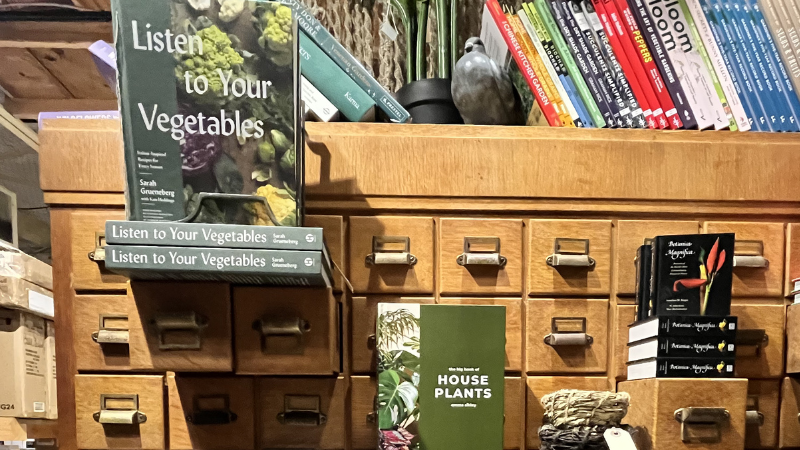
- Curate a small book collection. Customers are already buying gardening books online. Why not have them available in your store? Even if you don’t make significant profit on books, their presence signals that you care about education. As one shopper suggested, “Have them there so I can browse through them.”
- Create handouts with video links. Not everyone reads books anymore. Younger customers especially prefer video content. Provide QR codes or short URLs to trusted YouTube channels, tutorials or educational content. One shopper emphasized, “Have someone who’s knowledgeable say, ‘Hey, I watched this video. Trust me, this is really going to help you.’”
- Train staff to teach, not just sell. The goal isn’t always to make a sale today; it’s to create a customer for life. When staff take time to explain the “why” behind recommendations, customers feel empowered rather than dependent.
Recognize the Two Types of Shoppers (And Serve Them Differently)
Your customers arrive with completely different mindsets, and if you treat them all the same, you’re frustrating at least half of them.
The Browser
One of the focus group shoppers represented this customer perfectly: “Most of the time, I want to go there for the atmosphere, and so it’s more of an impulse. I just want to browse and see what they have.”
Browsers aren’t looking for anything specific; they’re there for the experience, the discovery, the serendipity of finding something unexpected. They want to wander through your Japanese maple section “just to see if there’s something that strikes my fancy.” They’ll arrive with a list and leave with none of those items — but their cart will be full.
The Mission-Driven Shopper
Another focus group participant embodied this customer. “I would say the vast majority of times when I go, I’m looking for something specific,” she said. She knows what she wants. She’s done her research. She needs staff who can quickly confirm availability, locate the item and get her on her way.
Mission-driven shoppers don’t want to be stopped for long conversations. They appreciate knowledgeable staff who are available when needed but don’t hover. As one participant noted, “They don’t pressure you in terms of having people like right there, but there’s always somebody around.”
How to Identify and Serve Both
- The entry question matters. Train staff to approach customers with an open-ended question that reveals intent: “Are you here for something specific today, or are you browsing?”
- Create clear navigation for mission-driven shoppers. Good signage, logical organization and visible staff allow these customers to self-serve efficiently.
- Design discovery zones for browsers. Create visually appealing displays that invite exploration. Feature “new arrivals” sections. Use unexpected plantings that inspire ideas. Give browsers a reason to linger.
- Respect body language. A customer moving with purpose, scanning signs and walking quickly probably doesn’t want to chat about soil amendments. A customer slowly meandering, touching leaves and taking photos probably does.
Family-Friendly Isn’t Optional – It’s Strategic
One shopper dropped a truth bomb that many garden centers overlook: “I have two young kids, and so the vast majority of the time, I’m multitasking between professional and Mom. When I go in, I want to know that my kids are welcome there.”
For parents of young children, a garden center that accommodates kids isn’t a nice-to-have; it determines whether they can shop at all.
How To Serve Customers with Families
- Staff should acknowledge and engage with children. When employees smile at kids, learn their names and make them feel welcome, parents relax. When staff treat children as nuisances, parents leave.
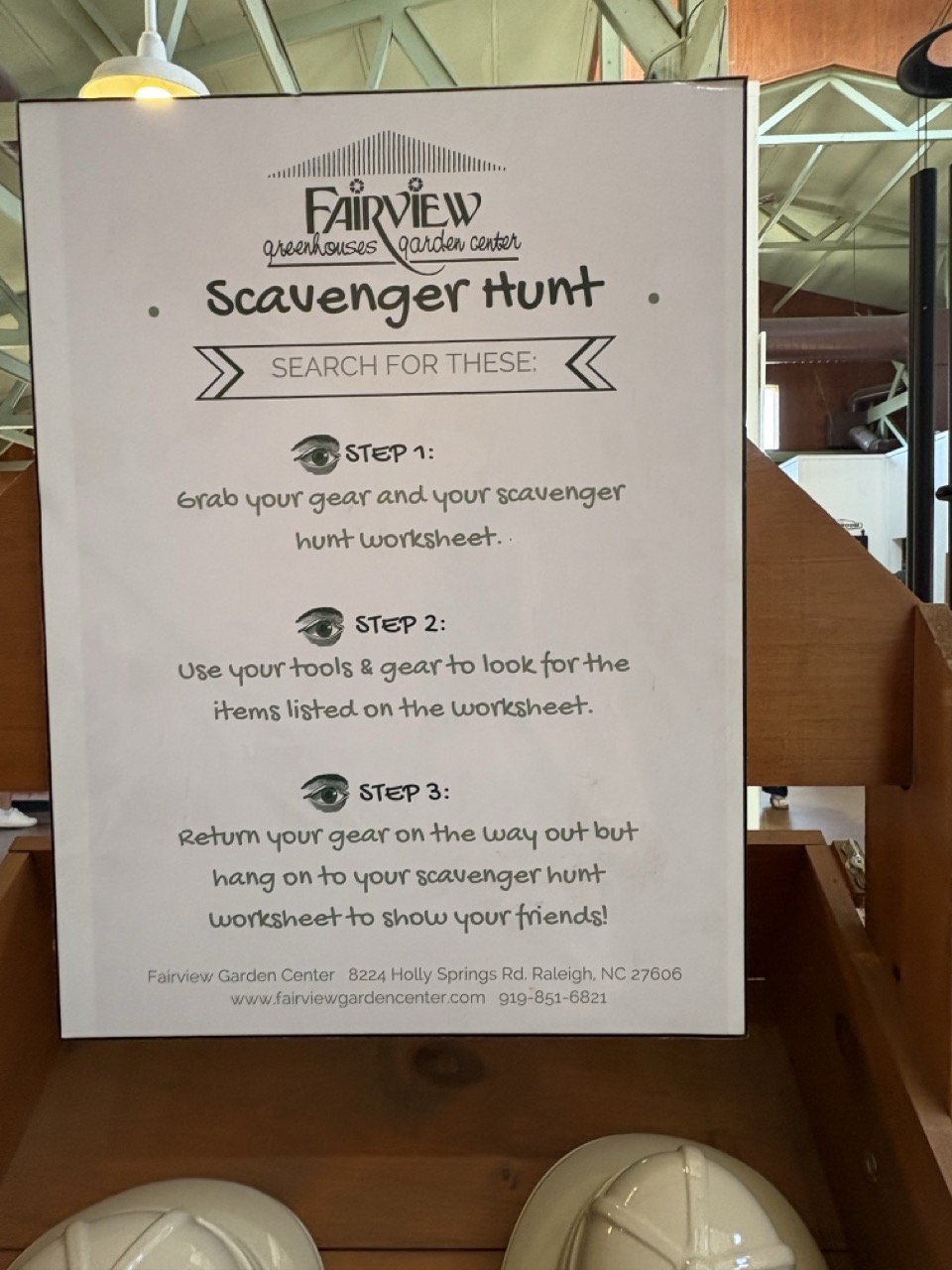
- Provide safe spaces kids can explore. Maybe it’s a fountain. Maybe it’s a particular statue or display. Maybe you provide coloring sheets of popular plants. The point is, when kids know where they can go and what they can do, everyone’s experience improves.
- Offer kid-appropriate activities or features. This doesn’t mean installing a playground. It means thinking about sight lines so parents can supervise while shopping. It means having a few indestructible display items at kid height. It means not panicking when a four-year-old touches a leaf.
Create Spaces Worth Hanging Out In
One shopper casually mentioned something remarkable. “I often go and meet friends there. … It’s actually a common place that I go to meet a girlfriend, to have a glass of wine or just sit and chat. And then many times, I end up shopping after I go just to hang out.”
Read that again. She meets friends at the garden center. It’s a destination, not just a store.
What Makes a Garden Center Hangout-Worthy
- Comfortable seating areas. If you want people to linger, give them places to sit.
- Ambiance and atmosphere. Multiple participants mentioned this. It’s not just about what you sell — it’s about how the space feels. Is it peaceful? Beautiful? Inspiring?
- Beverage options. You don’t need to become a café, but having coffee, tea or wine available transforms a shopping errand into a social experience.
- Community events. Classes, workshops, seasonal celebrations — these give customers reasons to visit beyond shopping.
The Bottom Line
Garden center customers want four things:
- Education — without feeling stupid.
- Appropriate service — help when needed, space when browsing.
- A welcoming atmosphere — especially for families.
- An experience worth sharing —something that feels special, not transactional.
The good news? None of this requires massive capital investment. It requires intention, training and a genuine commitment to seeing customers as people you’re building relationships with rather than sales you’re closing.
Give customers what they actually want, and they won’t just come back. They’ll bring everyone they know.
Even if you don’t make significant profit on books, their presence signals that you care about education. Photos by Teresa McPherson.



 Videos