PHS names top global gardening trends from the 2026 Philadelphia Flower Show
The Pennsylvania Horticultural Society (PHS) has announced its predictions for global gardening trends to emerge from the 2026 PHS Philadelphia Flower Show, “Rooted: Origins of American Gardening.”
In 2026, the theme “Rooted: Origins of American Gardening” shaped the way designers approached their work, inspiring a deeper exploration of heritage, ecology and cultural tradition.
“The Philadelphia Flower Show has long been a place where new ideas take root and influence gardening worldwide,” said Seth Pearsoll, vice president and creative director, PHS Philadelphia Flower Show. “From towering tropicals and massed floral forms to rewilded, ecologically minded landscapes, the 2026 trends highlight bold, immersive gardens that connect to heritage, place and plant care.”
Trending Plants
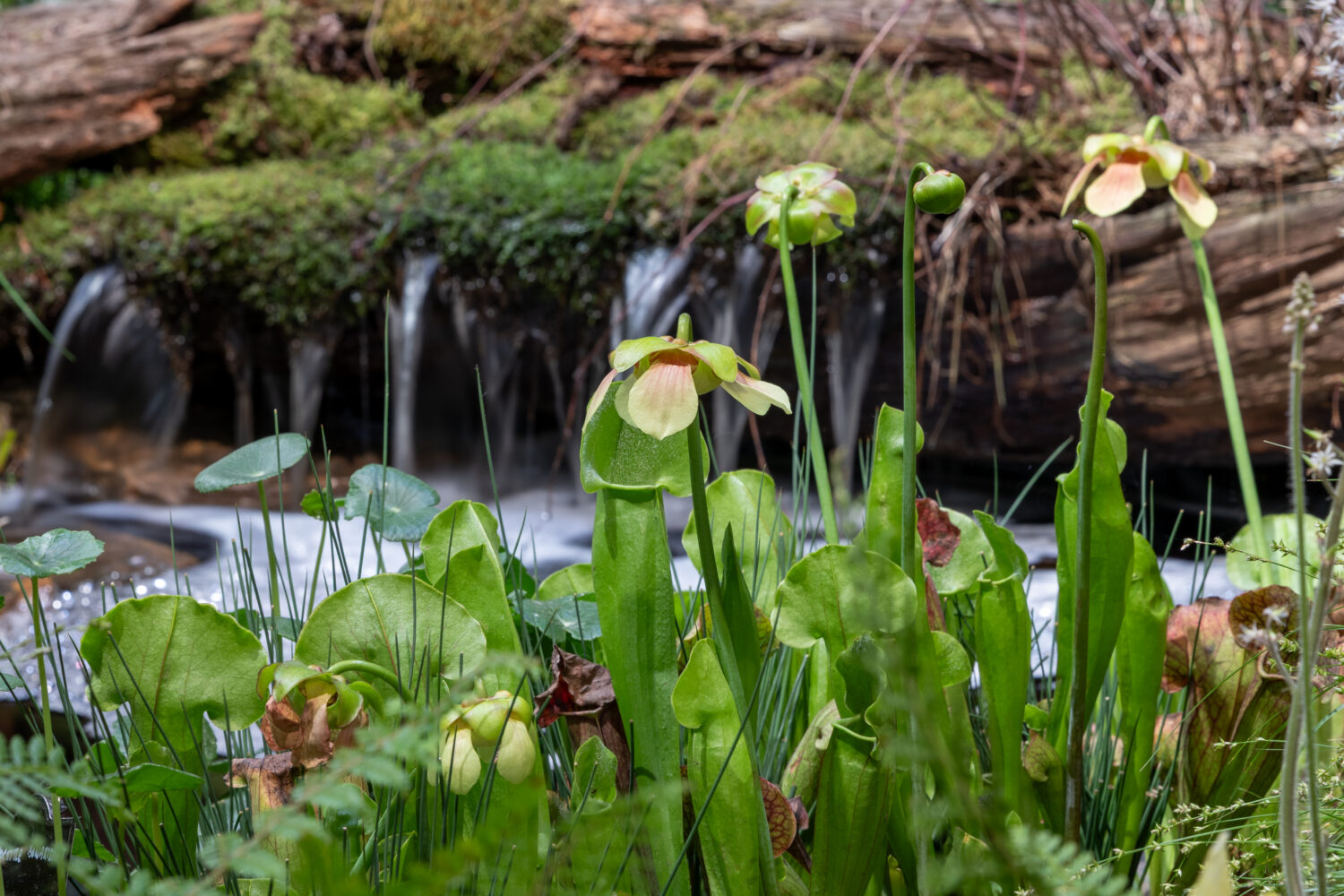
- Carnivorous Plants: Carnivorous plants are growing in popularity for their striking and unusual shapes and bug-eating abilities. Varieties like pitcher plants, including purple and sweet types, add visual interest while helping manage pests naturally.
- Terrariums and Small-Scale Plantings: Terrariums are being reimagined in more unique vessels such as Wardian cases, cloches, bowls and glass containers of varying shapes and sizes. These contained environments offer an accessible, design-forward way to engage with plants on a more personal scale.
- Bold Tropical Plants: Tropical plants will continue to anchor large-scale displays and home decor, adding texture and structure to garden and personal spaces. Monstera deliciosa is joined by accessible favorites such as rubber plants, fiddle leaf figs, and weeping ficus, part of a resurgence of ficus as a design staple. Newer introductions like Philodendron Birkin, Xanthosoma, and silver-toned Scindapsus pictus add striking foliage and collector appeal. Schaffer Designs’ Flower Show exhibit FLORAMERE: A LIVING NETWORK, showcased tropicals to create a lush, sculptural canopy.
Floral Trends
- Sculptural Floral Installations: Large, structured arrangements incorporate branchwork, texture and unexpected materials, turning florals into art. Arrange, The Flower Show’s “2026 Best in Show – Floral” award winner, demonstrated this in My Atomic Number, blending floral plantings with architectural forms.
- Massed Blooms and Rounded Forms: Hydrangeas, delphiniums, roses and sunflowers are used to create sculptural, rhythmic compositions. The Flower Show’s Entrance Garden, The Forest Floor, highlighted this approach with layered, flowing plantings that highlighted rou
nded shapes.
- Unexpected Botanicals: Designers are highlighting elements that were once overlooked and thought to be unattractive, including petal-less flowers, seed heads and dissected plant forms. These features bring texture and structure to arrangements, shifting floral design toward natural authenticity.
- Monochromatic Color and Repetition: Jewel tones, including deep blues, burgundies and rich pinks, reinforced bold visual statements. The American Institute of Floral Designers’ exhibit Grow Deep–Live Tall used saturated pinks to create a high-impact, cohesive display.
- Locally Grown and Sourced Florals: Regional cut flower farms are influencing floral choices, with designers prioritizing seasonal, locally sourced blooms to strengthen the connection between growers and gardens.
Landscape Trends
- Soil as a Design Element: Designers are emphasizing soil health with tailored blends and amendments, connecting soil care to overall garden wellness. Unknown Studio’s The Ghost Forest treated soil as a visible, central design feature.
- Textured Top Dressing: Stone, sand, crushed shells and terra cotta are replacing traditional hardscap
ing to add texture and depth. Etta Studio’s North of the White Barn used rocks to create a grounded, naturalistic finish.
- Accessible and Customizable Design: Affordable tools and customizable outdoor features make garden design more accessible and unique. Features like solar lighting, once requiring costly wiring, are now simple and budget-friendly to install alongside color-changing bulbs, app-controlled lighting, and other customizable elements. According to the USDA NASS 2024 Horticulture Operations Report, U.S. nursery stock sales reached $5.34 billion, up 17% since 2019, reflecting increased investment in outdoor spaces.
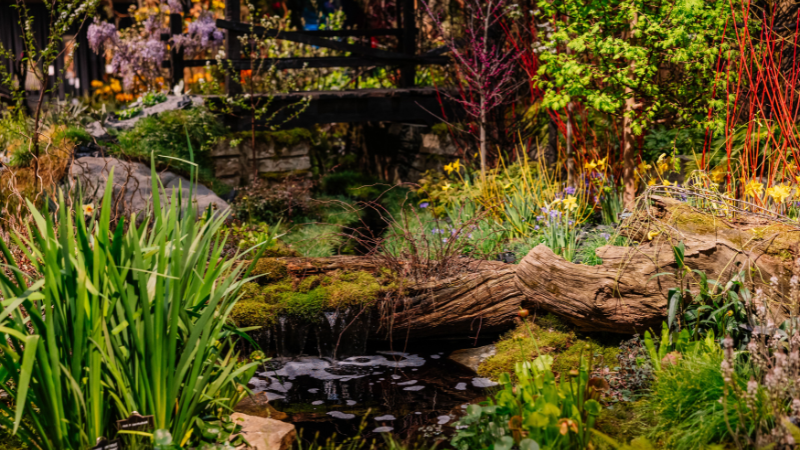
- Rewilded Landscapes: Designers are continuing to create
landscapes that appear untouched but are carefully guided to support ecological balance. Native and pollinator-friendly plants help restore local systems while reducing maintenance. Laurel-Brook Gardens’ exhibit, Phoenix Rising, evoked a self-sustaining, natural environment.
Photos courtesy of the Pennsylvania Horticultural Society.



 Videos